

2 0 2 6
Creative Writing
A B O U T T H E J U R O R
Jason Cannon
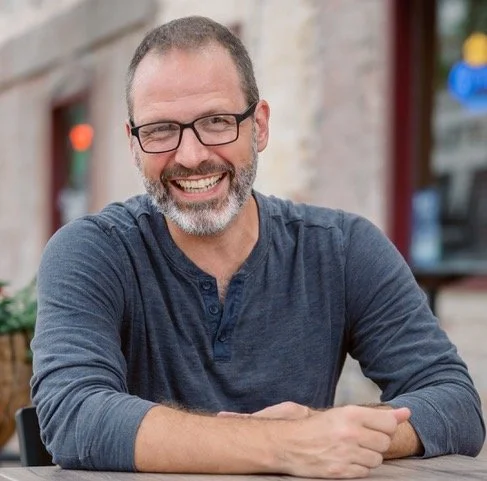
Jason Cannon is a storyteller and storycoach. He is an award-winning actor, director, playwright, improviser, and teacher, as well as an Amazon best-selling author, publisher, and podcaster. He coaches clients around the world on playwriting, memoir and speech writing, and storytelling. His clients range from playwrights and authors to business leaders and Chiefs of Staff to Ted talkers and Green Berets. He has an MFA in Directing, an MA in Drama, and over 25 years experience in professional theatre. Jason has 100+ credits as an actor, 120+ credits as a director, and his ninth produced play as a playwright is CLOWNS LIKE ME, which ran Off-Broadway in summer of 2024. He has published multiple books through his independent imprint Ibis Books, and has also published memoirs, plays, poetry, and fiction by twenty other authors. Jason was also a guest of Ringling’s Visiting Writers Forum in August of 2024. He lives between two lakes in Michigan with his beloved Rebecca and their two silly pups, Gaia and Odin. Visit JasonCannon.art and check out his newsletter and podcasts at PageandStage.art.
W I N N E R S
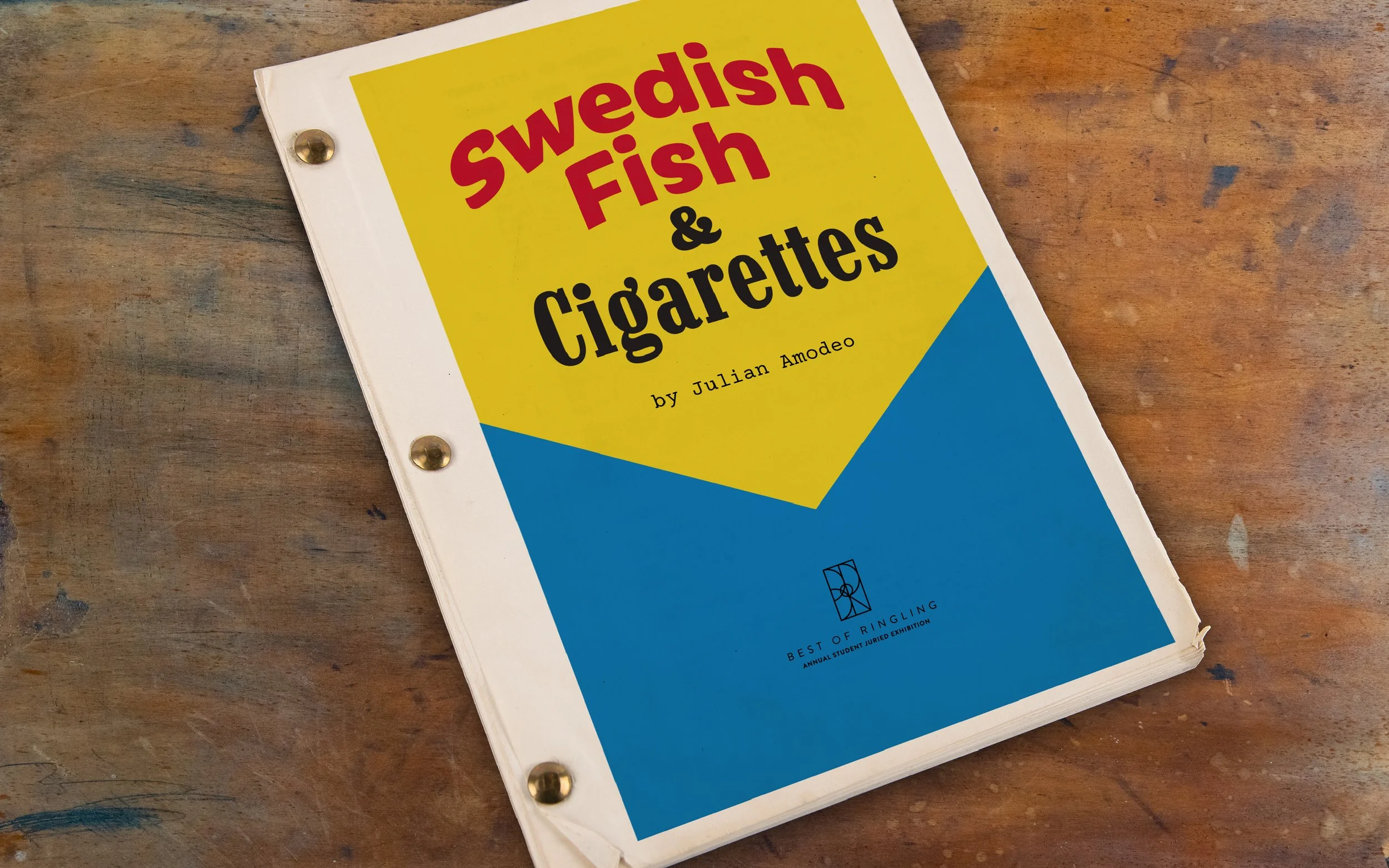
President’s Award
Julian Amodeo
Swedish Fish & Cigarettes
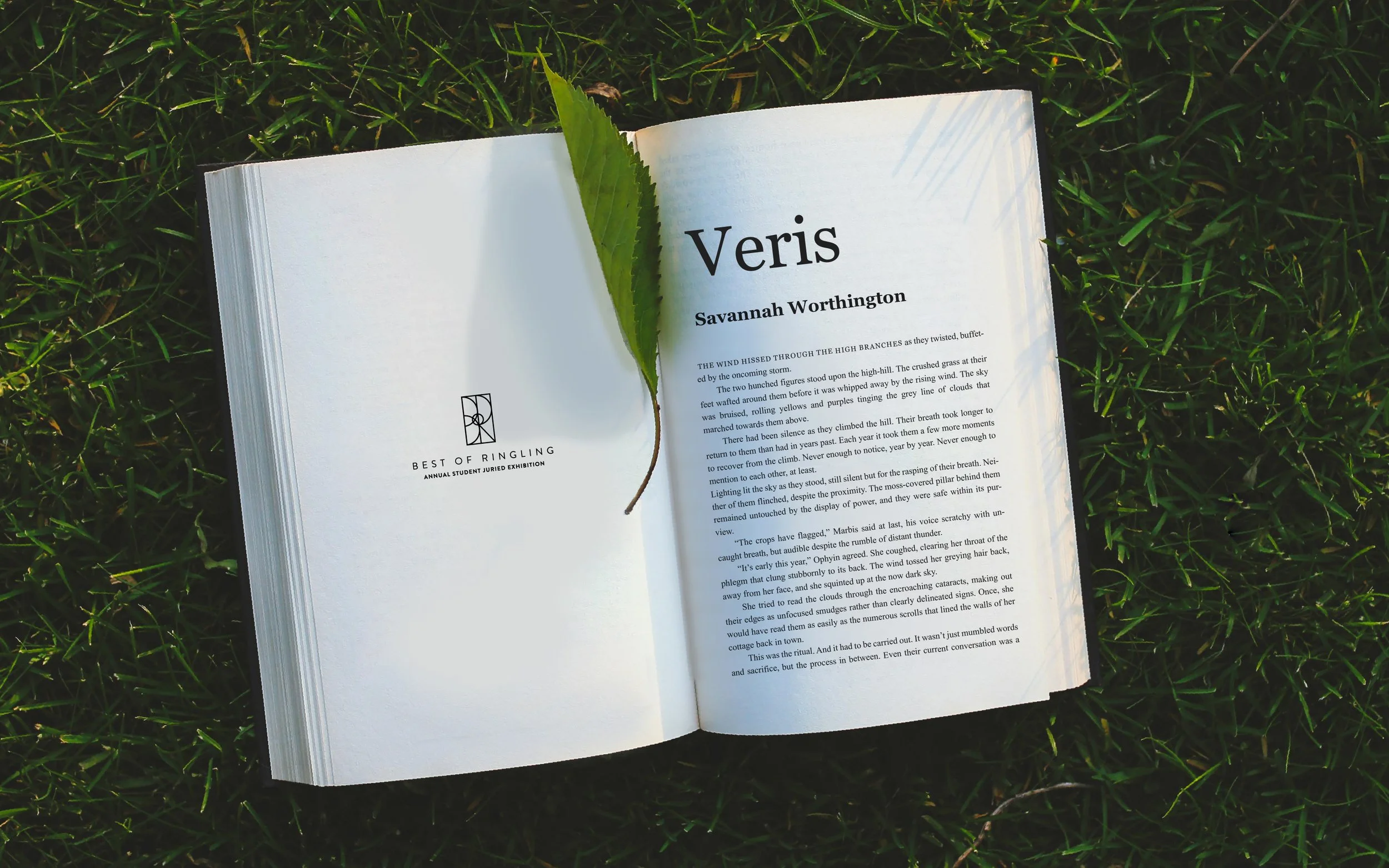
Gold Juror’s Award
Savannah Worthington
Veris
-
A skillful take on a classic trope. A sort of fantasy riff on Shirley Jackson’s “The Lottery.” The world-building is done with confidence and subtlety. The exposition/explanation of this particular universe is economically hidden inside thoughtful characters and clear plotting. Also, very skillful use of withholding information to build suspense. My curiosity was immediately piqued and even as I figured out the world and anticipated the climax, I was fulfilled by the journey. The dialogue is believable and helps flesh out the characters and the world, but I would encourage the writer to lean into dialogue even more as a character-building device. I also would push on the ending... how does Ophyin’s decision impact the ritual? Is this the first-time something like that has happened? Does the village simply welcome Shaii back in, or is there a cost to such an act? Basically, it’s a little bit too tidy at the end, considering how rich and intriguing the world is, but again, I was hooked the whole way through.
Silver Juror’s Award
Julian Amodeo
Swedish Fish & Cigarettes
-
A really fun 10-minute play that the playwright should workshop and submit to festivals. The characters have distinct voices. The set-up pulls us in right away. The world and structure are clear. Most of my thoughts here are about opportunities missed; the script is maybe two drafts away from being a bullseye. First, lean into the setting: the sound of the subway, the possibility for stops, for other passengers (even unseen) to react to their perception of Elias talking to himself. Second, Marigold directly addressing the audience... why? Are we dead, too? Is the audience also tethered? I’d advocate for cutting the direct address or leaning even more heavily into it, with intention and a sense of what this “in between” means. Third, what drives Elias? There’s opportunity for some backstory there that could bring in a lot of emotional payoff. Fourth, Marigold’s death... should it “mean” something? What enables her to untether? The stakes are just a little low for a gun death, especially since the title sets us up for a bit more of a tongue-in-cheek vibe. Her death could be by anything, so make a choice that drives the emotional core of the story. Fifth, what if they CAN see each other? What are the extents of Elias’s “powers”? If the playwright pushed on these five notes, they’d have something that would compete in most 10-minute play festivals. But again, I read eagerly the whole way through.
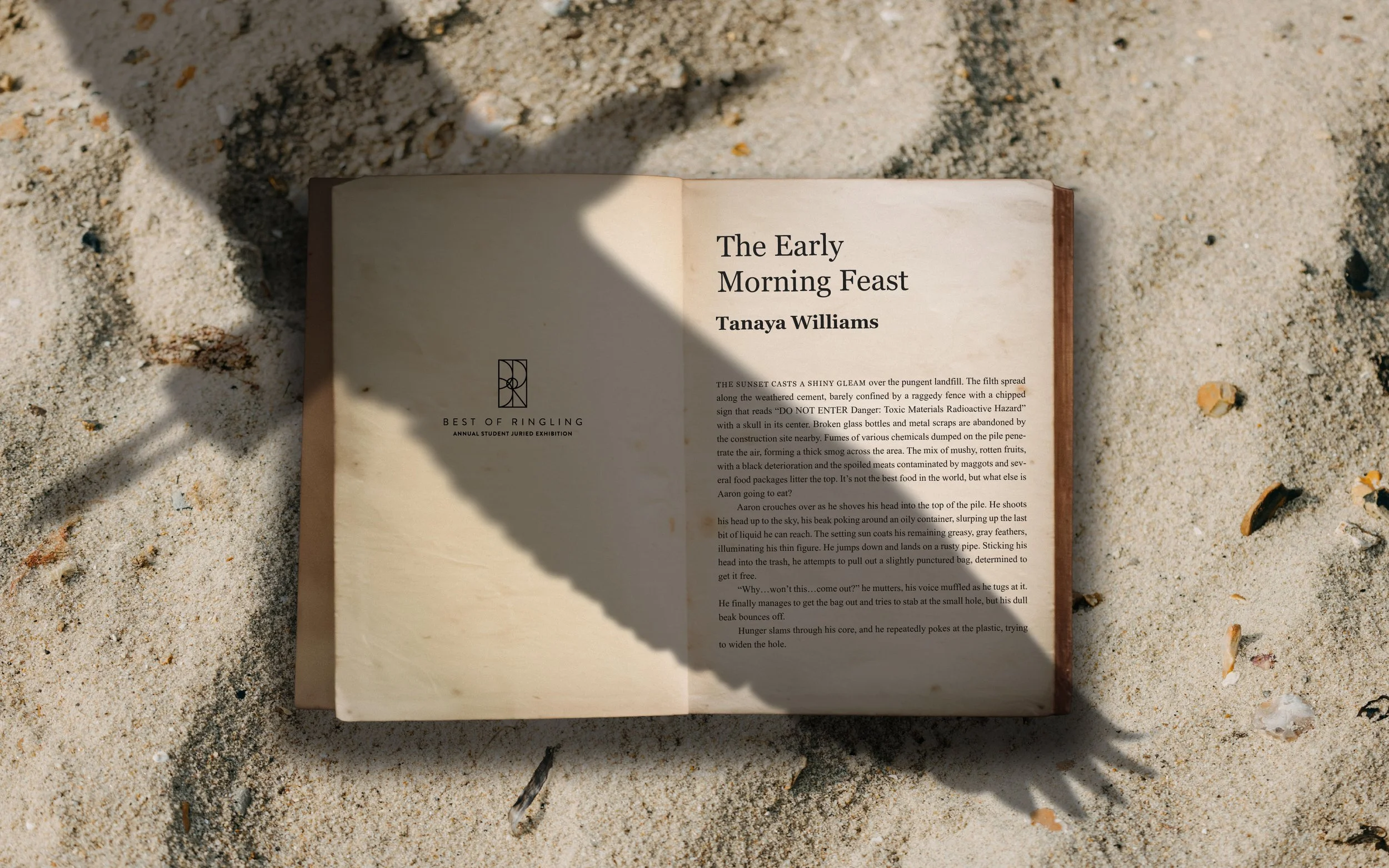
Bronze Juror’s Award
Tanaya Williams
The Early Morning Feast
-
One of the most creative and inventive submissions, for sure, with a distinct voice and wildly intriguing hook. Like with the silver entry, my notes are more about opportunities missed, because the world-building is clear, the two main characters (Aaron and Gabriel) have rich internal lives, and the author doesn’t pull any punches with the climax. My suggestions... First, shift out of present tense. The present tense makes for occasional awkward reading, and—as structured—is unnecessary. Second, dig deeper into “bird culture.” Right now, it reads simply as humans in bird costumes. Their names are human. Their dialogue is human. The author can invent bird language, bird world views, bird names, bird identities, bird friendships. Right now, the bird angle leans into gimmick instead of something that reveals deeper truths about the characters. Third, give us a touch more about their backstory, so that Gabriel’s betrayal at the end hurts even more. Fourth, there’s a moral question being raised by Aaron’s revulsion at the turtle massacre. This ties back to “bird culture.” Is Aaron an evolved bird? Out in the wild, why would a bird resist the most natural, “law of the jungle” impulse to eat other creatures? Again, this makes Aaron more human than bird, creating confusion in motivation and ultimate outcome. But a high-stakes swing at using animals to talk about the best and worst of what humans can do and be.
Minor Juror’s Award
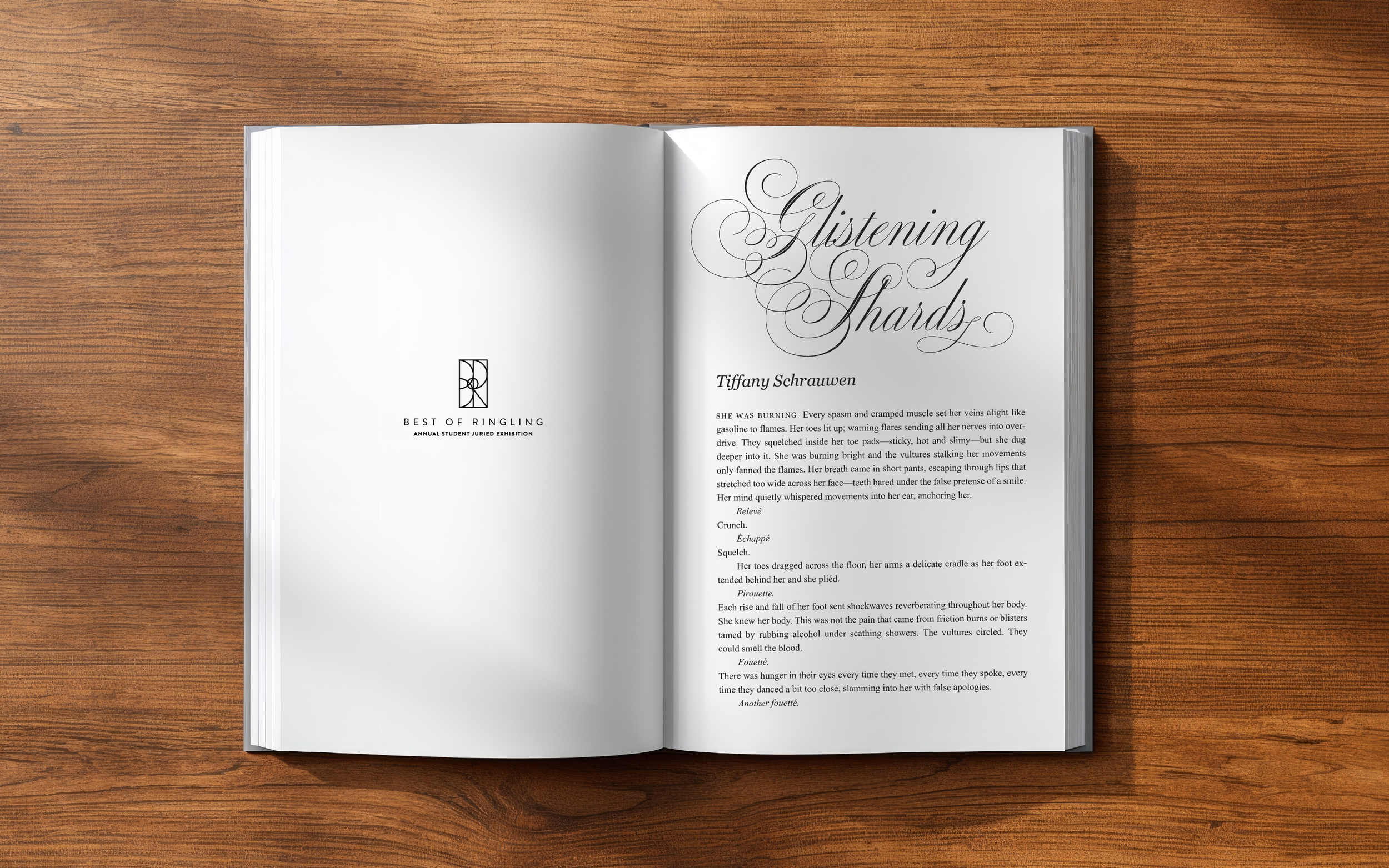
Tiffany Schrauwen
Glistening Shards